1-415-230-4353

Arista DCS-7800R3AK-36DM-LC in Stock 400G Spine Line Card for 7800R3 Series
By admin on 16 Apr 2026
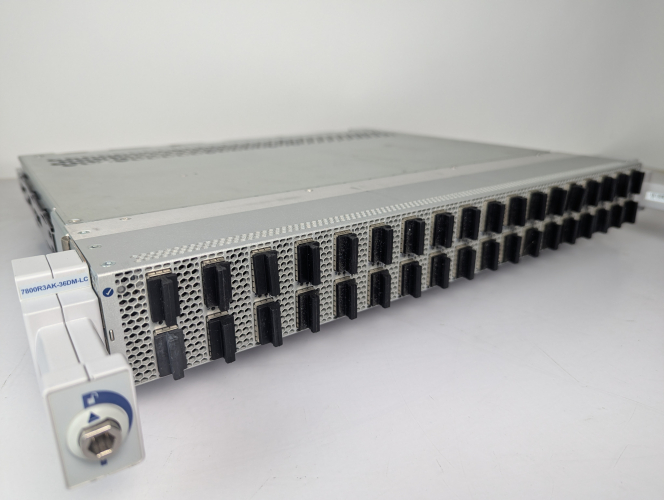
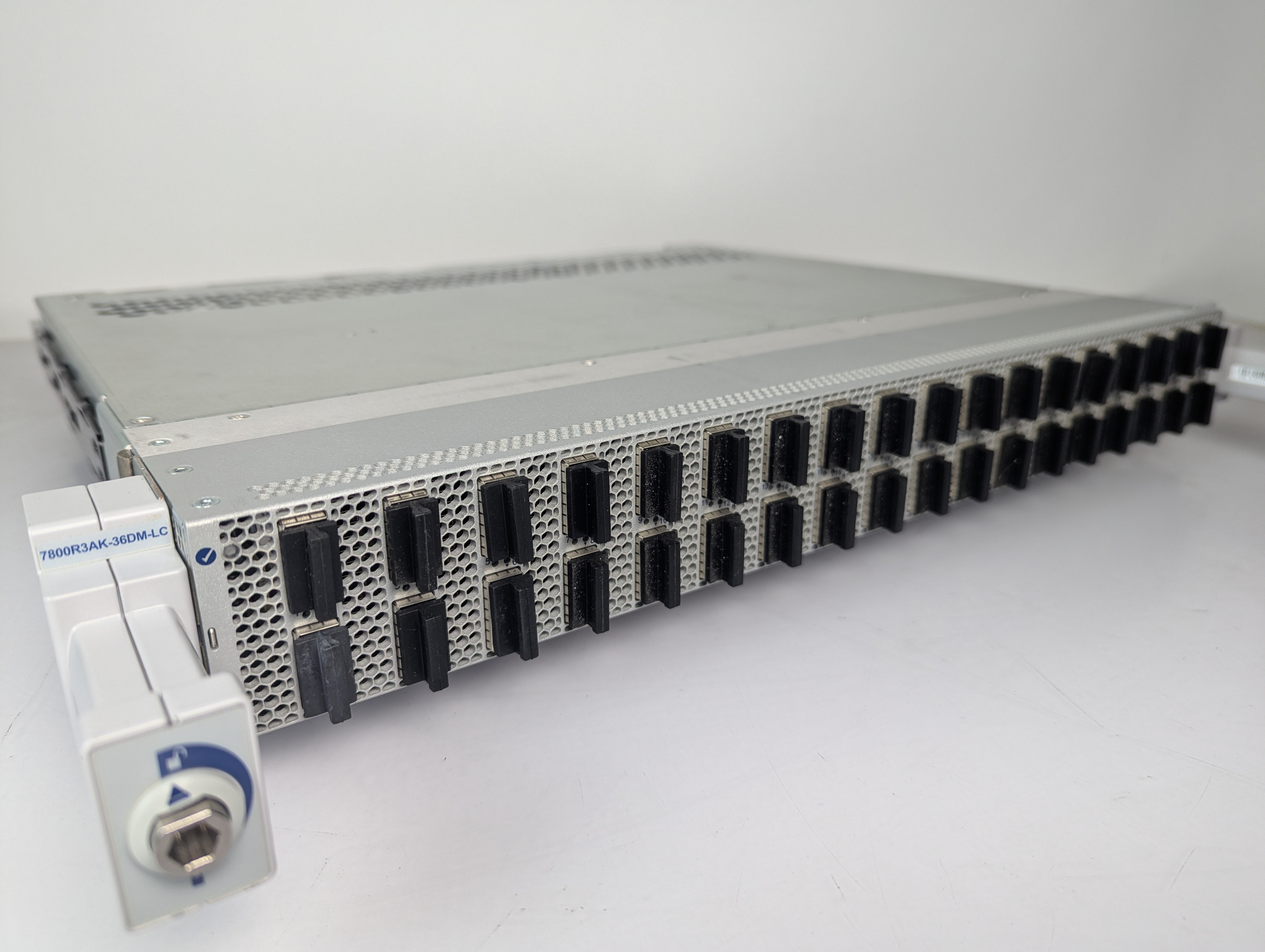
We now have the Arista DCS-7800R3AK-36DM-LC in stock, a high density 400G line card designed for the Arista 7800R3 modular switch platform, purpose built for CSP, ISP, hyperscaler, and CDN networks.
This line card is optimized for 400G spine, core, and data center interconnect DCI deployments where line rate performance, deep buffering, and large route scale are required.
400G Spine and Core Use Case
The DCS-7800R3AK-36DM-LC is primarily deployed in:
- 400G spine layers in leaf spine architectures
- ISP and CSP core routing environments
- Hyperscale data centers
- CDN backbone networks
- High capacity DCI using 400G ZR or ZR+
With 36 by 400G QSFP-DD ports, this card delivers high radix density per slot, reducing chassis footprint while maintaining non blocking, line rate forwarding.
This is a true carrier class 400G spine line card, designed for deterministic latency and sustained throughput under load.
Performance and Throughput
The Arista 7800R3 36DM line card is engineered for wire speed L2 and L3 forwarding across all ports simultaneously.
Key performance attributes:
- 36 by 400G QSFP-DD interfaces
- Line rate forwarding on all ports
- Deep packet buffers for burst heavy traffic
- Support for large scale routing tables
- Optimized for east west traffic in hyperscale fabrics
This makes it well suited for environments where oversubscription, microbursts, and route scale are real design constraints.
Optics Support and Flexibility
The QSFP-DD 400G ports support a wide range of optics and deployment models:
- 400G SR8, DR4, FR4, LR4
- 400G ZR or ZR+ for DCI
- Breakout support to 4 by 100G QSFP28 and 50G lane based deployments depending on optics
This flexibility allows the same line card to function as:
- A pure 400G spine interconnect
- A mixed 100G and 400G aggregation layer
- A long haul transport interface using coherent optics
- R3 K and M Feature Breakdown
Understanding the SKU is important when sourcing on the secondary market.
R3 7800R3 Platform
- Designed for the Arista 7800R3 series
- Built on Jericho based silicon
- Enables deep buffers, high scale routing, and carrier class performance
K Large Routes
- The K designation refers to large route scale
- Supports very high IPv4 and IPv6 route table capacity
- Critical for ISP core routing, internet edge, and large EVPN and BGP deployments
- This is a key differentiator for service provider and hyperscale use cases.
M MACsec Capability
- The M indicates MACsec Layer 2 encryption support
- If MACsec is not required, the feature can simply remain unused with no operational downside.
- MACsec is typically relevant for secure DCI links and regulated or encrypted transport environments.
Why 400G Still Dominates
- While 800G is emerging, 400G remains the production standard across most networks:
- Mature and cost effective optics ecosystem
- Proven EOS stability and feature set
- Ideal for 100G to 400G upgrades
- Strong fit for secondary market procurement
- For most operators, 400G continues to offer the best balance of performance, cost, and deployability.
Available Now Secondary Market Pricing Advantage
We currently have Arista DCS-7800R3AK-36DM-LC units available in inventory.
These are offered at over 90 percent below original MSRP.
This creates a compelling opportunity for:
- Network expansion at reduced CapEx
- Spine upgrades to 400G
- Lab and test environments
- Spare and redundancy planning
Request a Quote
If you are evaluating Arista 7800R3 line cards, building a 400G spine, or need help validating optics and deployment options, contact us for a quote, or call +1 (415) 230-4353. Inventory is available now at over 90 percent off MSRP.
April 16, 2026
Contact Us
Terabit Systems
2565 3rd Street #218
San Francisco, CA. 94107
2565 3rd Street #218
San Francisco, CA. 94107
1-415-230-4353